
Seasonal Lawn Care Treatments Every Homeowner Should Know
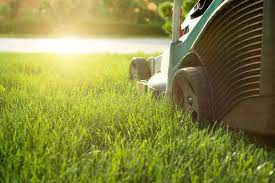
A lush, green lawn is more than just a beautiful backdrop to your home; it’s a sign of care, attention, and pride in your outdoor space. Yet, keeping your grass healthy year-round requires more than occasional mowing or watering. The secret lies in understanding how each season affects your lawn and applying the right treatments at the right time. Seasonal lawn care ensures that your grass not only survives but thrives, no matter the weather.
In this guide, we’ll explore the essential lawn care treatments every homeowner should know to keep their lawn in peak condition through spring, summer, fall, and winter.
What Does Your Lawn Need in Spring?
Spring marks a period of awakening for your lawn. After months of dormancy, grass begins to grow again, but it also faces stress from the harsh winter. Early spring is the time to rejuvenate your lawn and lay the foundation for healthy growth.
Raking and Clean Up: Remove leaves, twigs, and debris that may have accumulated. This helps prevent mold and disease while allowing sunlight and air to reach the soil.
Aeration: If your lawn feels compacted, spring aeration can help oxygen, water, and nutrients penetrate deeper into the soil.
Fertilization: Apply a balanced, slow-release fertilizer to provide the nutrients the grass needs for strong root development.
Weed Control: Use pre-emergent herbicides to stop crabgrass and other invasive weeds before they sprout.
Spring sets the tone for the rest of the year. Think of it as “waking up” your lawn with the nutrition and breathing room it needs.
How Should You Maintain Your Lawn During Summer?
Summer brings longer days, more sun, and heavier lawn use, but it also introduces heat stress, pests, and drought. During this season, the focus should be on protecting your lawn’s health and keeping it hydrated.
Watering: Lawns typically need about one inch of water per week, whether from rainfall or irrigation. Deep, infrequent watering promotes strong root growth.
Mowing: Keep your mower blades sharp and avoid cutting the grass too short. A mowing height of 3–4 inches helps shade the soil, retain moisture, and discourage weeds.
Pest Control: Summer is prime time for grubs, chinch bugs, and other pests. Inspect your lawn regularly and use treatments if infestations appear.
Heat Stress Management: During very hot weeks, reduce mowing frequency and avoid fertilizing, which can burn grass under extreme heat.
The key to summer lawn care is consistency. By watering properly, mowing wisely, and managing pests, you help your grass withstand the season’s toughest challenges.
What Treatments Are Best for Fall?
Fall is often called the most important season for lawn care. While summer may have stressed your grass, autumn provides a chance to repair and prepare it for the upcoming winter.
Overseeding: Fall is the best time to fill bare patches or thicken your lawn by overseeding. Cooler temperatures and morning dew create ideal germination conditions.
Fertilization: Apply a fall fertilizer high in potassium to strengthen root systems and help your grass store nutrients for winter.
Aeration: Core aeration in the fall reduces soil compaction and helps nutrients penetrate more effectively.
Weed Removal: Broadleaf weeds like dandelions often thrive in the fall. Spot-treat them before they spread further.
Leaf Management: Regularly rake or mulch fallen leaves to prevent smothering your grass.
By focusing on recovery and preparation, fall lawn treatments build resilience that carries your grass through winter dormancy and jumpstarts spring growth.
How Do You Care for Your Lawn in Winter?
While winter lawn care requires less activity, it’s not a season to ignore entirely. Cold weather and dormancy can be tough on grass, so prevention is key.
Avoid Traffic: Minimize walking on frozen grass, as this can damage brittle blades and compact the soil.
Protect from Salt: If you use de-icing salts, be mindful that they can harm grass. Consider alternatives like sand or calcium chloride.
Winterizing Equipment: Prepare your mower and other tools for storage with proper cleaning and maintenance.
Snow Mold Prevention: Heavy snow piles can lead to snow mold. Try to distribute the snow evenly when shoveling to reduce risks.
Even though your lawn is resting, winter care ensures it wakes up healthier and ready for spring.
Why Is Seasonal Lawn Care So Important?
Each season presents unique challenges and opportunities for your lawn. Ignoring these cycles can leave the grass weak, thin, or overtaken by weeds. By adjusting treatments to the season, you’re working with nature, not against it. The result is a lawn that looks beautiful, withstands stress, and adds long-term value to your
property. Hiring landscaping professionals can help you to get the desired results.
Final Thoughts
Seasonal lawn care is more than just a chore; it’s a year-round investment in the beauty and health of your outdoor space. By tailoring your treatments to spring’s growth, summer’s stress, fall’s recovery, and winter’s dormancy, you give your lawn everything it needs to thrive. A little planning and effort throughout the year can reward you with the lush, green yard every homeowner dreams of.
FAQs
1. Can I fertilize my lawn in summer?
It’s best to avoid heavy fertilization in summer heat, as it can burn grass. Save major feedings for spring and fall.
2. How often should I aerate my lawn?
Once a year is usually enough, with fall being the most effective time. Aerating more often may be necessary if the soil is heavily compacted.
3. Is overseeding really necessary?
Yes, overseeding thickens your lawn, reduces weed growth, and enhances resilience. Fall is the ideal season for this process.
4. What mowing height is best for grass health?
Maintain a mowing height of 3–4 inches during most of the year. Taller grass shades the soil and helps conserve moisture.
5. Do I need to water my lawn in winter?
In most regions, winter precipitation provides enough moisture. However, in areas with dry winters, occasional watering may be necessary when the ground isn’t frozen.


Comments